Q and A
Is it glued? And the other rules people ask about
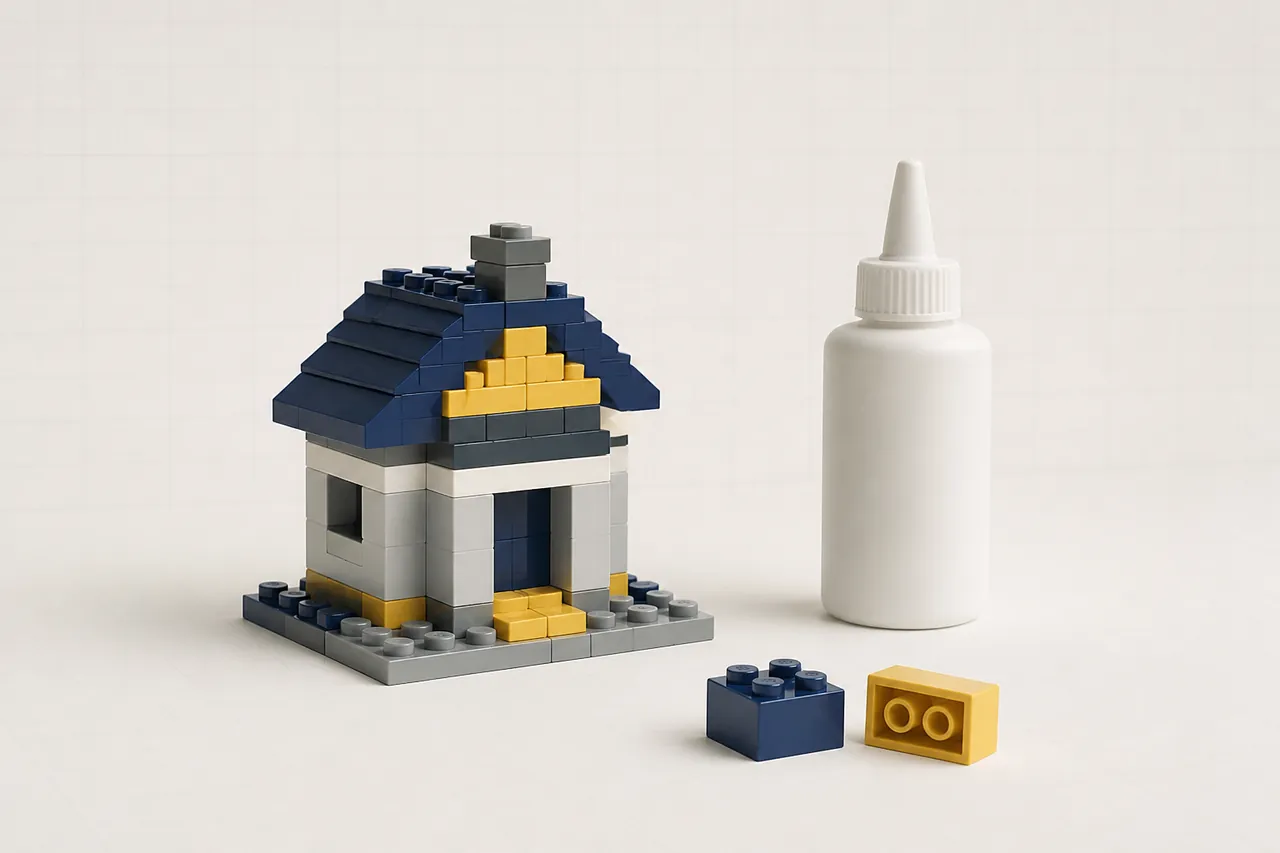
Ask a room of builders what they most want to know about LEGO Masters and the glue question comes up first, every time. It gets at something builders genuinely care about: is this real LEGO building, held together the honest way, or is it a props department with a caulking gun. Here is the straight answer, followed by the other rules that shape what you see on screen.
The short version: the builds are made from genuine LEGO elements, not glued sculptures, pulled from a huge shared supply and assembled by hand under a clock. The details below are worth knowing because each one explains something about why the builds look the way they do.
The glue question, honestly
Teams build with real LEGO bricks connected the normal way, stud to tube, and the craft you are watching is genuine LEGO technique rather than sculpture. We should be honest about the edge of what we can confirm, though: whether the production ever secures a finished model for safe transport or long-term display after judging is not something we could verify from a reliable source. What matters for a builder is that the building itself, the part that is judged, is done in bricks by hand. Nobody is gluing their way to a win.
That honesty cuts both ways and is part of why the show is useful. Because the connections are real, every clever structure you see on screen is a technique you could in principle rebuild yourself. If it were glued, none of it would transfer.
The Brick Pit and where the parts come from
Builders pull from a shared supply called the Brick Pit, reported at more than three million bricks in the first season, with later seasons described as having millions of bricks available. That abundance is itself a rule with consequences. When parts are effectively unlimited, the constraint stops being what you have and becomes what you can find and use in time, which is why part-sorting speed and knowing the LEGO catalogue become quiet superpowers on the show.
There is a lesson in that for home building too. Most hobbyists are limited by their collection, but the teams here show what happens when the only real limit is imagination and the clock. It is a good argument for building a broad, well-sorted parts library over hoarding sealed sets.
The clock, and what happens to the builds after
Each challenge runs on a fixed time, usually a single long build day, which is the single biggest reason studio builds and home builds look different. Speed forces decisions: a home builder will refine one section for hours, while a LEGO Masters team has to lock a technique and move on. Watching that pressure is a genuinely good way to learn what actually matters in a model versus what is polish.
After judging, most builds are broken down and the parts return to the Brick Pit for reuse, which tells you the value of the show is in the making, not the keeping. Some standout builds have been exceptions and gone on public display, and we cover that side of things on our winners and prizes page.
Techniques you can steal
- The building is real brick technique, not glued sculpture, which is exactly why the clever structures on screen are worth copying.
- A broad, well-sorted parts library beats a shelf of sealed sets if you actually want to build freely. The Brick Pit is that idea taken to its limit.
- Learn from the clock: decide what a model truly needs, build to that, and stop. Endless refining is a home-builder luxury the show strips away.
Common questions
- Is LEGO Masters glued together?
- The building that gets judged is done in genuine LEGO bricks connected by hand, not glued sculpture, so the techniques on screen are real and copyable. Whether a finished model is ever secured for transport or display after judging is not something we could confirm from a reliable source.
- How many bricks does LEGO Masters use?
- Teams pull from a shared supply called the Brick Pit, reported at more than three million bricks in the first season, with later seasons described as having millions of bricks available.
- Do the contestants keep their builds?
- Generally no. After judging most builds are broken down and the parts go back into the Brick Pit for reuse. Some standout builds have been exceptions and put on public display at LEGOLAND parks instead.
Sets that scratch the same itch
If the Brick Pit makes you want to build freely rather than follow a booklet, the sets worth owning are the ones with the most reusable, technique-rich parts, which is something we flag in our reviews.